Rubber Tyred Gantry (RTG) cranes are indispensable in modern port operations, container yards, and heavy industrial environments. Their flexibility, mobility, and ability to stack and move containers efficiently make them a cornerstone of material handling. However, with great power comes great responsibility: ensuring safety in RTG crane design is not just a regulatory requirement – it is essential to protect personnel, equipment, and cargo while optimizing operational efficiency. This article delves into the key principles, components, and design considerations for creating RTG cranes that prioritize safety.
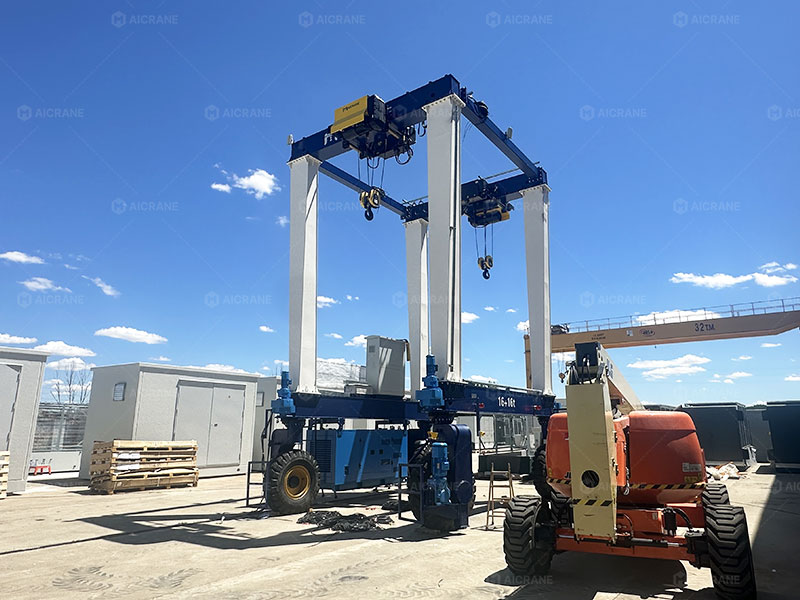
Understanding RTG Crane Safety Challenges
RTG cranes are massive machines, often spanning 30 to 50 meters and capable of lifting loads ranging from 20 to 60 tons or more. Their operations involve several risk factors:
-
High Mobility: Unlike rail-mounted cranes, RTG gantry cranes move freely within a container yard on rubber tires, which can lead to uneven movement or collisions if not properly controlled.
-
Heavy Loads: Lifting containers or heavy cargo poses risks of overloading, swinging, or accidental drops.
-
Environmental Factors: Wind, rain, uneven ground, or obstacles can destabilize operations.
-
Complex Operations: Operators must manage hoist functions, trolley positioning, and travel simultaneously, often under time pressure.
Designing safety into RTG cranes addresses these challenges proactively, reducing the likelihood of accidents while maintaining productivity.
Key Safety Principles in RTG Crane Design
When designing RTG cranes, manufacturers focus on three overarching safety principles:
-
Preventive Safety: Minimizing the possibility of accidents through robust mechanical and electronic systems.
-
Protective Safety: Mitigating risks if an incident occurs, such as fall protection or structural integrity under load.
-
Operational Safety: Supporting operators with intuitive controls, monitoring systems, and clear safety alerts.
These principles guide the design of mechanical components, electrical systems, and operational protocols.
Structural Safety Considerations
The foundation of any RTG crane’s safety is its structural integrity. Key factors include:
-
Frame Strength: The main gantry frame must withstand maximum lifting loads with adequate safety margins. High-strength steel is typically used, and finite element analysis (FEA) simulations help identify stress points and optimize structural geometry.
-
Tire and Axle Design: RTG cranes rely on large, robust tires. Proper tire selection and axle load distribution prevent tipping or uneven wear, especially on uneven yard surfaces.
-
Stability Systems: Counterweights, adjustable spreaders, and low center-of-gravity design enhance stability, particularly when stacking containers at high levels.
-
Wind Resistance: The crane’s height and exposed surfaces make wind a critical factor. Designers incorporate wind load calculations and deploy wind speed monitoring systems to restrict operations during high wind conditions.
Mechanical Safety Components
Mechanical safety components prevent accidents during lifting and movement:
-
Limit Switches: Installed on trolley and hoist mechanisms, limit switches prevent over-travel of the trolley or hook, avoiding collisions with the gantry or container stacks.
-
Overload Protection Devices: Mechanical or electronic overload systems prevent lifting beyond rated capacities, safeguarding both equipment and operators.
-
Anti-Sway Mechanisms: Hydraulic or electronic anti-sway systems reduce load oscillation during lifting and traveling, minimizing the risk of load tipping or collisions.
-
Emergency Brakes: Both travel and hoist motors are equipped with emergency braking systems to halt the crane safely in case of power failure or operator error.
Electrical and Control Safety
Modern RTG cranes integrate advanced electrical and control systems to enhance safety:
-
Travel Speed Limiting Systems: Speed restrictions prevent unsafe acceleration during crane movement, especially when approaching container stacks or yard edges.
-
Collision Avoidance Systems: Radar or lidar sensors detect nearby obstacles, other cranes, or personnel, triggering alarms or automatic braking.
-
Load Monitoring: Load cells and strain gauges continuously measure the weight of the lifted container, ensuring compliance with the crane’s rated capacity.
-
Redundant Power Systems: Backup power and fail-safe controls allow safe lowering of loads during power outages, reducing the risk of dropped cargo.
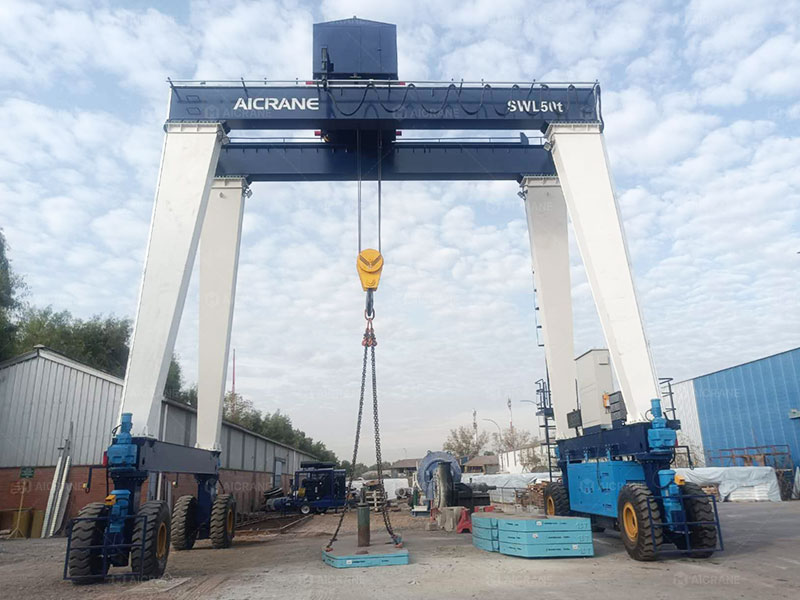
Operator Safety Features
Operator safety is critical in RTG crane design, as human error remains a major factor in accidents:
-
Cab Ergonomics: Comfortable, well-ventilated cabs with clear sightlines reduce fatigue and enhance situational awareness.
-
Advanced Control Consoles: Intuitive joystick and touchscreen controls simplify complex operations, minimizing mistakes.
-
Remote Operation: Some RTG cranes are designed for remote control operation, allowing operators to manage lifts from a safe distance.
-
Warning Systems: Audible alarms, strobe lights, and on-screen alerts inform operators of hazards, overloads, or equipment faults.
Environmental Safety Considerations
RTG cranes operate in dynamic and sometimes harsh environments. Safety design must account for:
-
Weather Conditions: Wind sensors, rain detection, and anti-slip surfaces help maintain stability and operational safety.
-
Ground Conditions: The mobile gantry crane tires and suspension system must handle uneven surfaces without compromising load stability.
-
Lighting and Visibility: Adequate lighting for night operations ensures operators can see container stacks, obstacles, and personnel.
Maintenance and Safety
A safe RTG crane is only as good as its maintenance program:
-
Routine Inspections: Daily checks of structural components, tires, brakes, and hoist mechanisms prevent accidents caused by wear or failure.
-
Predictive Maintenance: Sensors and IoT devices can monitor crane health in real time, predicting component failure before it happens.
-
Operator Training: Maintenance staff must be trained to identify potential hazards, repair issues safely, and follow standardized procedures.
Safety Compliance and Standards
Designing RTG cranes with safety in mind requires adherence to international and local standards:
-
ISO 5057: Safety requirements for RTG cranes.
-
CMAA Specifications: Covers design and operation of container handling cranes.
-
OSHA Guidelines: Regulatory compliance for workplace safety in the U.S.
-
CE Certification: Required for cranes operating in Europe, ensuring machinery meets safety directives.
Compliance ensures that the crane meets legal requirements while protecting operators and cargo.
Emerging Technologies for RTG Crane Safety
Recent advances in automation and digital technologies are shaping the next generation of safe RTG cranes:
-
Artificial Intelligence: AI systems analyze crane operations, predicting potential collisions or unsafe load conditions.
-
Digital Twin Simulations: Virtual models of the crane and yard allow operators and designers to test safety protocols under various scenarios.
-
IoT Integration: Sensors provide continuous data on load, structural stress, and environmental conditions, allowing proactive interventions.
-
Augmented Reality (AR) Training: Operators can practice complex maneuvers in a safe, simulated environment before actual operations.
Conclusion
Safety is not an afterthought in RTG crane design – it is central to every stage, from structural engineering to control systems and operator ergonomics. By integrating mechanical safeguards, electrical controls, environmental considerations, and operator-focused features, gantry crane manufacturers can deliver RTG cranes that are not only efficient but also reliable and safe. As technology continues to evolve, RTG cranes will become smarter, more autonomous, and even safer, ensuring that container yards and industrial operations remain productive while minimizing risk. Prioritizing safety in RTG crane design protects people, preserves assets, and reinforces a culture of operational excellence.